Are you confident that the metrics you track actually improve results, or are you simply collecting data without direction? Many organizations generate reports every week, yet few turn those numbers into meaningful action. The real question isn’t whether you have data. It’s whether you know how to use it to improve outcomes, productivity, and profitability.
At its core, performance analytics is the systematic process of collecting, analyzing, and interpreting data to evaluate how effectively individuals, teams, or entire organizations achieve their goals. It goes beyond dashboards and spreadsheets. It connects measurable indicators to business strategy, helping leaders identify strengths, uncover inefficiencies, and make informed decisions quickly.
When applied correctly, it answers three essential questions: What is happening? Why is it happening? What should we do next?
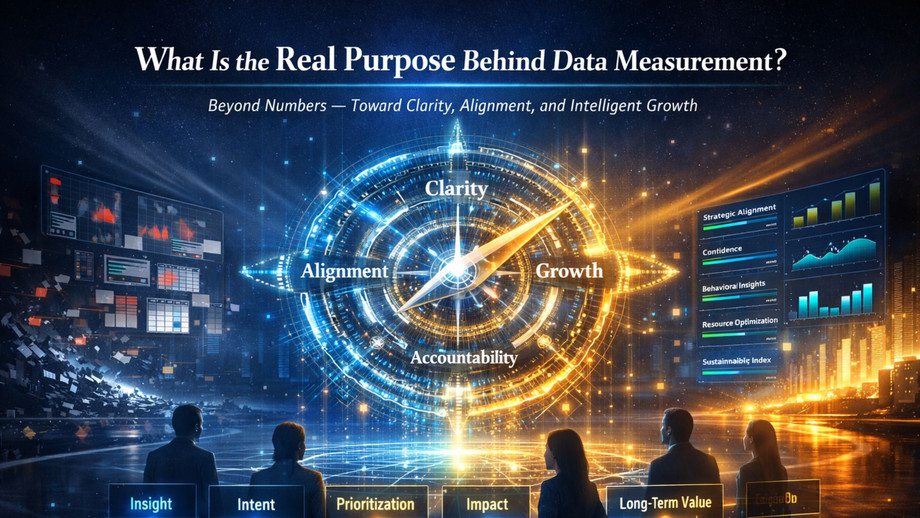
Many companies confuse tracking with understanding. Recording sales numbers or employee output is easy. Extracting insight from those figures is the challenge. True analytical maturity lies in linking metrics directly to business objectives.
Instead of measuring everything, high-performing organizations focus on indicators that align with strategic goals. If growth is the objective, revenue trends, customer acquisition costs, and retention rates matter. If operational efficiency is the focus, turnaround times, error rates, and productivity ratios become critical. Tools like project time tracking software play a vital role here, offering real-time visibility into how hours are spent, where delays occur, and how resources are allocated across projects.
Clarity of purpose prevents data overload. When metrics are tied to outcomes and supported by accurate tracking systems, leaders gain deeper visibility into performance gaps and improvement opportunities. This alignment transforms raw information into a strategic roadmap for smarter, faster decision-making.
Good decisions require evidence. Without structured analysis, leadership choices rely heavily on intuition, which can be biased or incomplete. A data-driven approach reduces uncertainty by revealing patterns and correlations that might otherwise remain hidden.
For example, a sudden drop in productivity may initially seem like an employee engagement issue. Deeper analysis could reveal process bottlenecks, unclear expectations, or outdated tools. By diagnosing root causes instead of reacting to surface symptoms, organizations implement solutions that produce measurable impact.
Effective analytical systems also support predictive insights. Historical trends help forecast future performance, allowing managers to anticipate risks and allocate resources proactively rather than reactively.
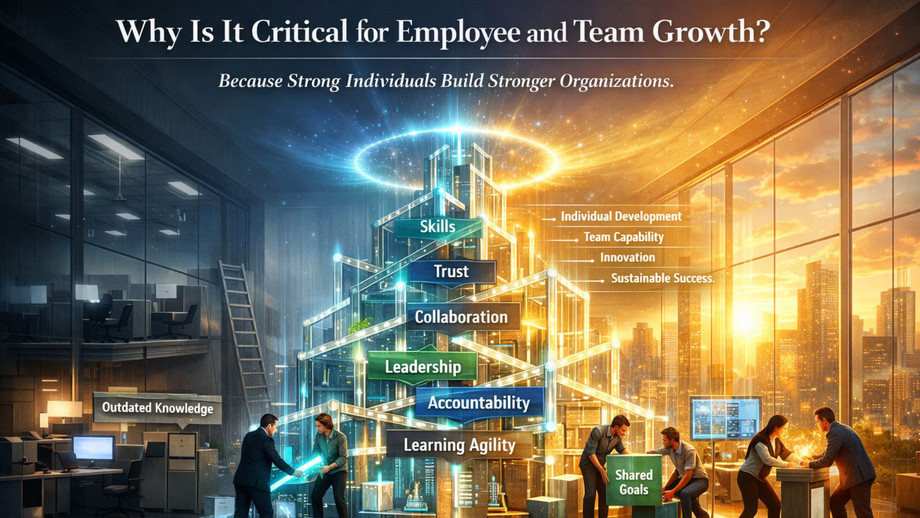
Employee development thrives on clarity. When expectations are vague, motivation declines. Structured evaluation frameworks provide transparency around goals, benchmarks, and outcomes.
This is where performance analytics becomes particularly valuable. It enables organizations to move beyond annual reviews and adopt continuous feedback systems supported by real-time data. Managers can identify top performers, recognize consistent improvement, and detect early warning signs of disengagement.
More importantly, it encourages fairness. When assessments rely on measurable indicators rather than subjective opinion, employees perceive the system as more transparent and equitable. That perception directly influences morale and retention.
By integrating insights into coaching conversations, organizations foster a culture of accountability and improvement rather than fear and criticism.