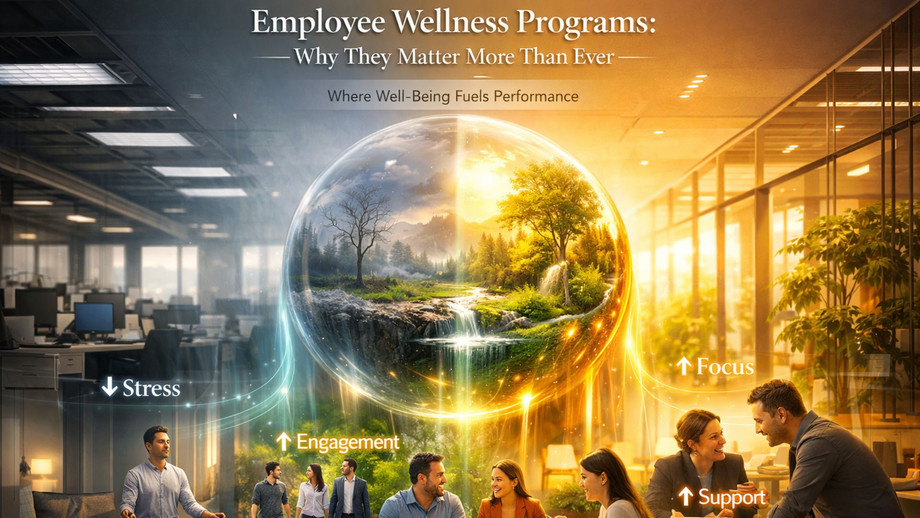
What helps employees stay productive, motivated, and loyal in today’s demanding work culture? The clear answer is structured support for physical, mental, and emotional well-being. They are organized initiatives designed to improve workers’ health, reduce stress, prevent burnout, and enhance overall job satisfaction. Employee wellness programs can include mental health support, fitness initiatives, preventive health screenings, financial guidance, and work-life balance policies. When implemented strategically, they reduce absenteeism, increase engagement, and strengthen organizational culture.
In simple terms, these programs help people feel better so they can work better. And in a competitive market where talent retention is critical, that makes them a strategic necessity rather than a perk.
At their core, these programs are structured efforts created by employers to support holistic well-being in the workplace. They go beyond basic health insurance. Instead of reacting to illness or burnout, they proactively create conditions that prevent them.
These programs exist because workplace stress has evolved. Deadlines are tighter, digital communication never stops, and professional expectations often spill into personal time. Without support systems, productivity declines and turnover rises. Organizations that recognize this shift understand that employee health directly affects business performance.
The purpose is not just to promote fitness challenges or occasional workshops. The real goal is to build a culture where employees feel valued, supported, and capable of sustaining high performance without sacrificing their health.
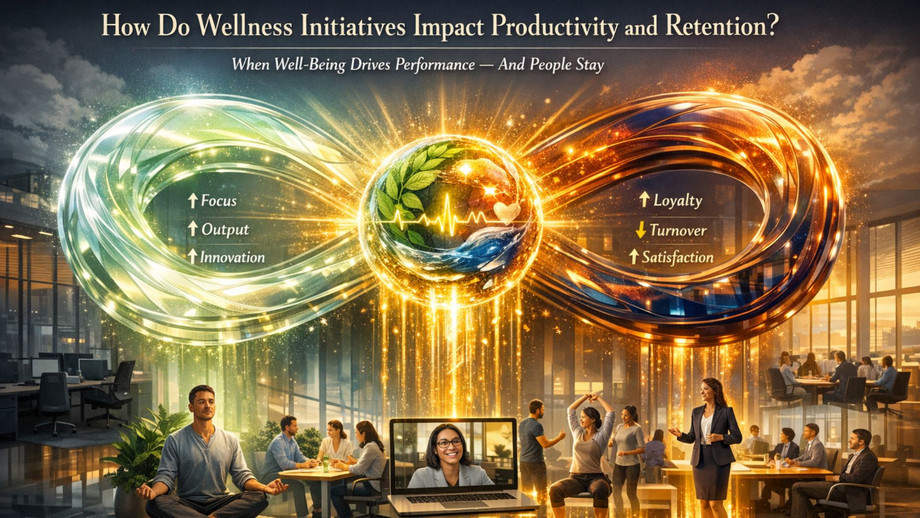
Healthy employees are more focused, creative, and resilient. When stress is managed and work-life balance is respected, people are less likely to disengage. This leads to better collaboration, improved morale, and stronger problem-solving abilities. A Flexible Work Environment further strengthens these outcomes by allowing employees to adjust schedules, choose hybrid or remote options, and work during their most productive hours. Flexibility reduces burnout, supports mental clarity, and empowers individuals to perform at their best.
Absenteeism decreases because preventive care and supportive policies reduce illness-related leave. Presenteeism, where employees show up but perform poorly due to stress or health issues, also declines when organizations prioritize well-being and flexibility. Over time, this combination of wellness initiatives and a Flexible Work Environment translates into measurable gains in output, stronger engagement, and improved team cohesion.
Not all initiatives succeed. The difference lies in alignment and authenticity. A successful strategy is built on understanding employee needs rather than copying industry trends.
Effective programs focus on personalization. A one-size-fits-all model rarely works because workforces are diverse in age, lifestyle, and responsibilities. Flexibility, accessibility, and consistent communication are essential.
Leadership involvement also matters. When managers actively support well-being efforts, employees feel safe participating without fear of judgment. Transparency about goals and measurable outcomes ensures credibility. Without clear objectives, even well-funded efforts can lose impact.
Technology has further expanded possibilities. Digital health platforms, virtual counseling, and flexible scheduling tools make support accessible beyond physical office spaces. However, tools alone are not enough. A culture of trust is what transforms initiatives into lasting change.
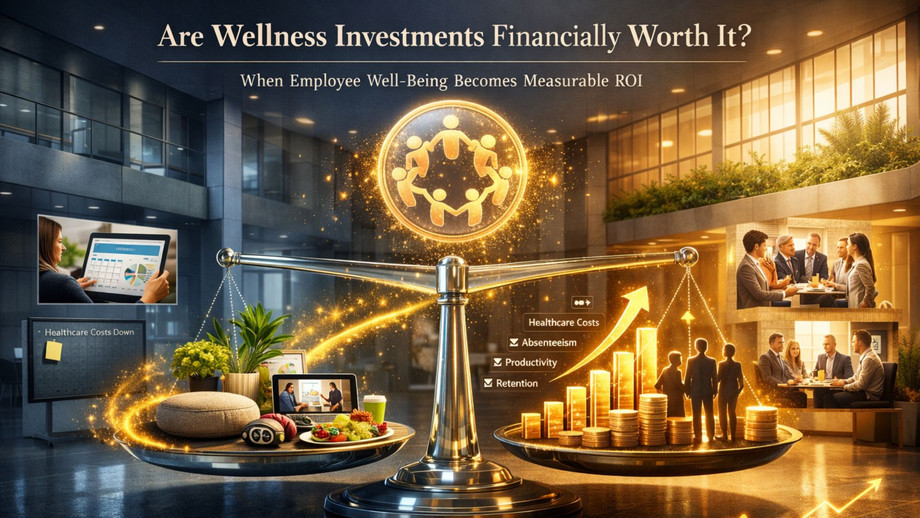
Some organizations hesitate because of cost concerns. Yet research and practical experience consistently show that preventive health investments often reduce long-term expenses. Healthcare claims decline when employees adopt healthier lifestyles. Recruitment costs drop when turnover decreases. Productivity gains offset initial spending. A well-structured PTO policy also plays a crucial role in this equation, encouraging employees to rest and recharge, which helps prevent burnout and reduces long-term health-related costs.
The financial return is only part of the equation. There is also reputational value. Companies known for prioritizing employee care attract stronger talent and build brand credibility. In many industries, workplace culture is now publicly visible through employer review platforms and social media discussions. A transparent PTO policy further signals that leadership respects work-life balance, strengthening trust and employer appeal.